


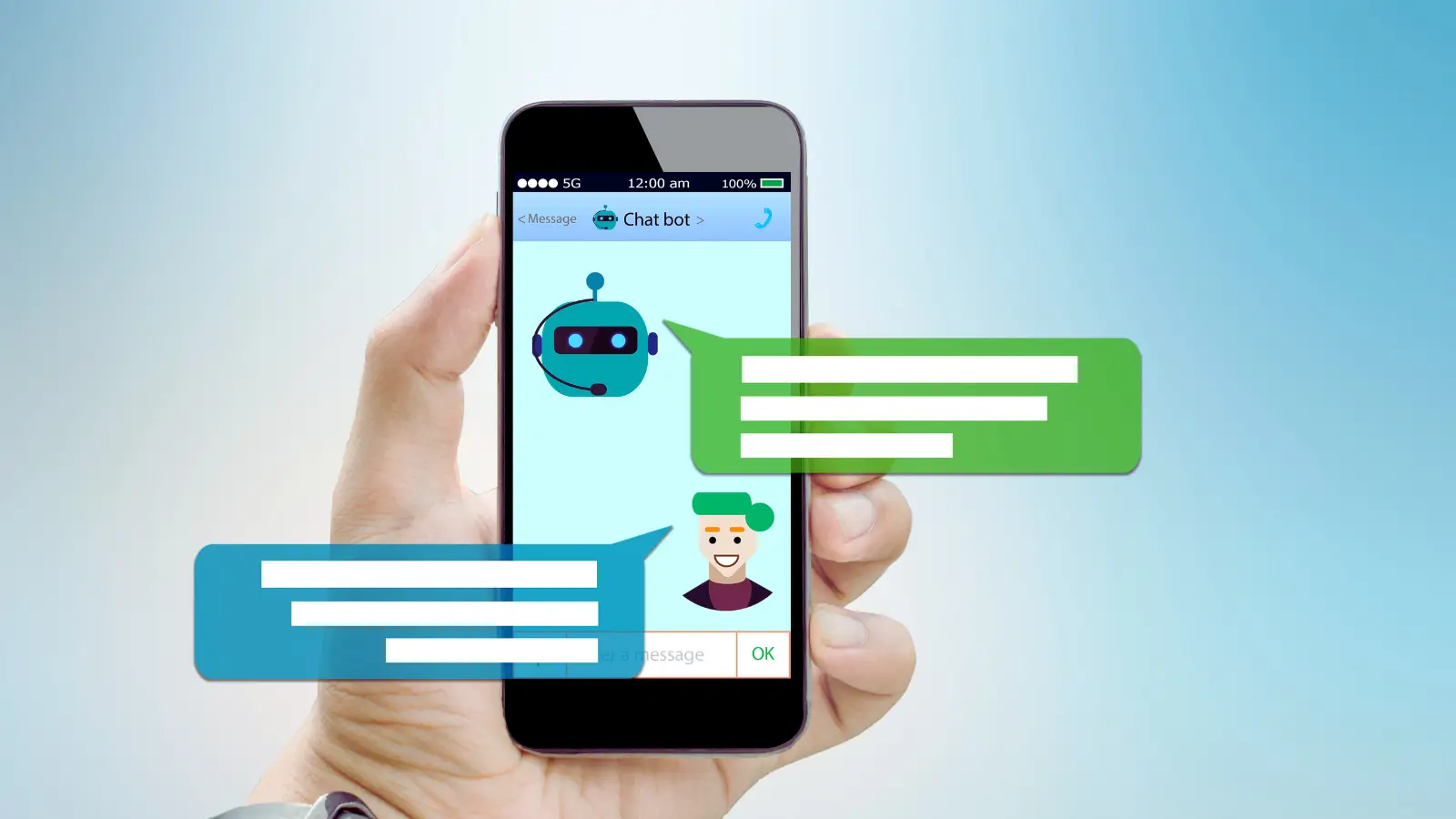
Not long ago, marketing was a one way broadcast. Brands spoke, audiences listened, and forms sat quietly waiting to be filled. That era is over. Today’s buyers do not want to wait. They want answers now, clarity instantly, and guidance that feels human even when it is automated. Additionally, they message brands the same way they message friends. They expect responses that are fast, relevant, and personal. This shift in behaviour has quietly reshaped how modern businesses grow.
Conversational marketing did not emerge as a trend. It emerged as a response to how people already behave online.
For B2B and lead generation focused brands, this evolution is especially critical. Long sales cycles, complex decision making, and multiple stakeholders demand real conversations, not static funnels. When done correctly, conversational marketing becomes less about technology and more about timing, trust, and intent.
What Conversational Marketing Actually Means Today
Conversational marketing refers to real time, two way interactions between a brand and its audience through chat based channels. These conversations happen via AI chatbots, live agents, and messaging platforms such as WhatsApp Business and Instagram or Facebook DMs.
What separates conversational marketing from traditional chat support is intent. These interactions are not limited to customer service. They are designed to guide prospects, qualify leads, accelerate decisions, and reduce friction across the buying journey.
The most important clarification is this. Conversational marketing is not about replacing humans. It is about removing unnecessary delays between a question and a meaningful response.
Why Conversational Marketing Works So Well in B2B
B2B buyers are more informed, more cautious, and more impatient than ever before. Research consistently shows that speed to response is one of the strongest predictors of conversion in B2B lead generation.
Conversational marketing succeeds because it aligns with three core realities of modern B2B buying.
First, buyers prefer self guided discovery but want help when confusion appears. Conversational interfaces allow prospects to explore independently while offering assistance exactly when needed.
Second, B2B decisions are rarely linear. Messaging allows prospects to ask follow up questions without restarting the journey or filling out another form.
Third, trust builds faster through dialogue. Even automated conversations feel more human than gated PDFs or long email chains when they are designed correctly.
AI Chatbots as Revenue Infrastructure, Not Just Support Tools
AI chatbots are often misunderstood. Poor implementations have created the illusion that chatbots are rigid, frustrating, and impersonal. That perception is outdated.
Modern conversational AI is context aware, behavior driven, and deeply integrated with CRM systems. When deployed strategically, chatbots perform high value business functions.
They qualify inbound leads by asking targeted questions about company size, role, budget range, and timeline. Moreover, they route high intent prospects directly to sales teams. They book demos and meetings automatically. They provide instant answers that remove early stage objections.
In B2B environments, the most effective bots are not overly conversational. They are efficient, focused, and respectful of the buyer’s time. They ask fewer questions but ask better ones.
WhatsApp Business as a High Intent Lead Channel
WhatsApp has evolved far beyond peer to peer messaging. For many markets, it is now a primary business communication channel.
WhatsApp Business stands out because of its unparalleled engagement rates and its perceived intimacy. Messages feel personal, even when automated. That perception significantly increases response rates compared to email or traditional nurture campaigns.
In lead generation, WhatsApp is commonly used for demo confirmations, qualification follow ups, proposal sharing, onboarding communication, and reactivation of dormant leads. In longer B2B sales cycles, it functions as a relationship maintenance channel rather than a promotional one.
The most effective brands use WhatsApp sparingly and intentionally. Overuse leads to distrust. Thoughtful timing builds credibility.
Instagram and Facebook DMs as the New Discovery Layer
Social platforms have quietly become the top of the conversational funnel.
Click to message ads, story replies, and DM based CTAs allow prospects to initiate conversations without public exposure or commitment. This is especially valuable for high consideration B2B products where buyers prefer privacy early in the process.
From a strategic perspective, social DMs serve as a frictionless bridge between awareness and qualification. Instead of pushing traffic to landing pages, brands invite conversation first, then guide prospects forward.
When connected to conversational automation tools, these channels enable scalable lead capture while preserving a one to one feel.
How Conversational Marketing Shortens the Sales Cycle
The traditional B2B funnel introduces friction at every stage. Forms delay responses. Emails slow momentum. Internal handoffs create gaps.
Conversational marketing compresses the timeline by addressing questions the moment they arise. Prospects move forward while interest is high instead of waiting for follow ups.
Additionally, conversational data improves sales efficiency. When leads reach human teams, context already exists. Conversations reveal intent, urgency, objections, and readiness. Sales discussions become more productive and less exploratory.
Common Misinformation to Avoid
One widespread misconception is that conversational marketing works automatically once implemented. In reality, poorly designed flows damage trust faster than no conversation at all.
Another myth is that more automation always leads to better results. Over automation creates frustration when prospects cannot reach a human at critical moments.
Finally, conversational marketing is not a replacement for strategy. It amplifies existing positioning, messaging, and customer understanding. Without clarity in those areas, conversations lack direction.
Filtering out these misconceptions is essential for long term success.
Best Practices from High Performing B2B Teams
Successful conversational strategies share several characteristics.
They start with clear intent mapping. Every conversation has a purpose, whether qualification, education, or conversion.
They balance automation with human escalation. AI handles repetition. Humans handle nuance.
They continuously analyze conversation data to identify drop off points, common objections, and optimization opportunities.
Most importantly, they respect the buyer’s time. Conversations feel helpful, not pushy.
The Strategic Role of Conversational Marketing in Growth
Conversational marketing is no longer an experiment. It is becoming core infrastructure for modern B2B growth.
As privacy restrictions increase and outbound efficiency declines, inbound conversations represent one of the highest quality signals available to marketers and sales teams. They reveal not just interest, but intent.
Brands that treat conversations as assets rather than interactions gain a competitive advantage that compounds over time.
Conclusion
Conversational marketing reflects a simple truth. Growth accelerates when brands listen as much as they speak.
For B2B organizations focused on lead generation, pipeline velocity, and customer trust, conversational marketing is not a channel to test lightly. It is a capability to design deliberately.
The brands that master it do not sound louder. They respond faster, guide better, and convert smarter.
If you are exploring how conversational marketing fits into your growth strategy, start by mapping the conversations your buyers actually want to have.