


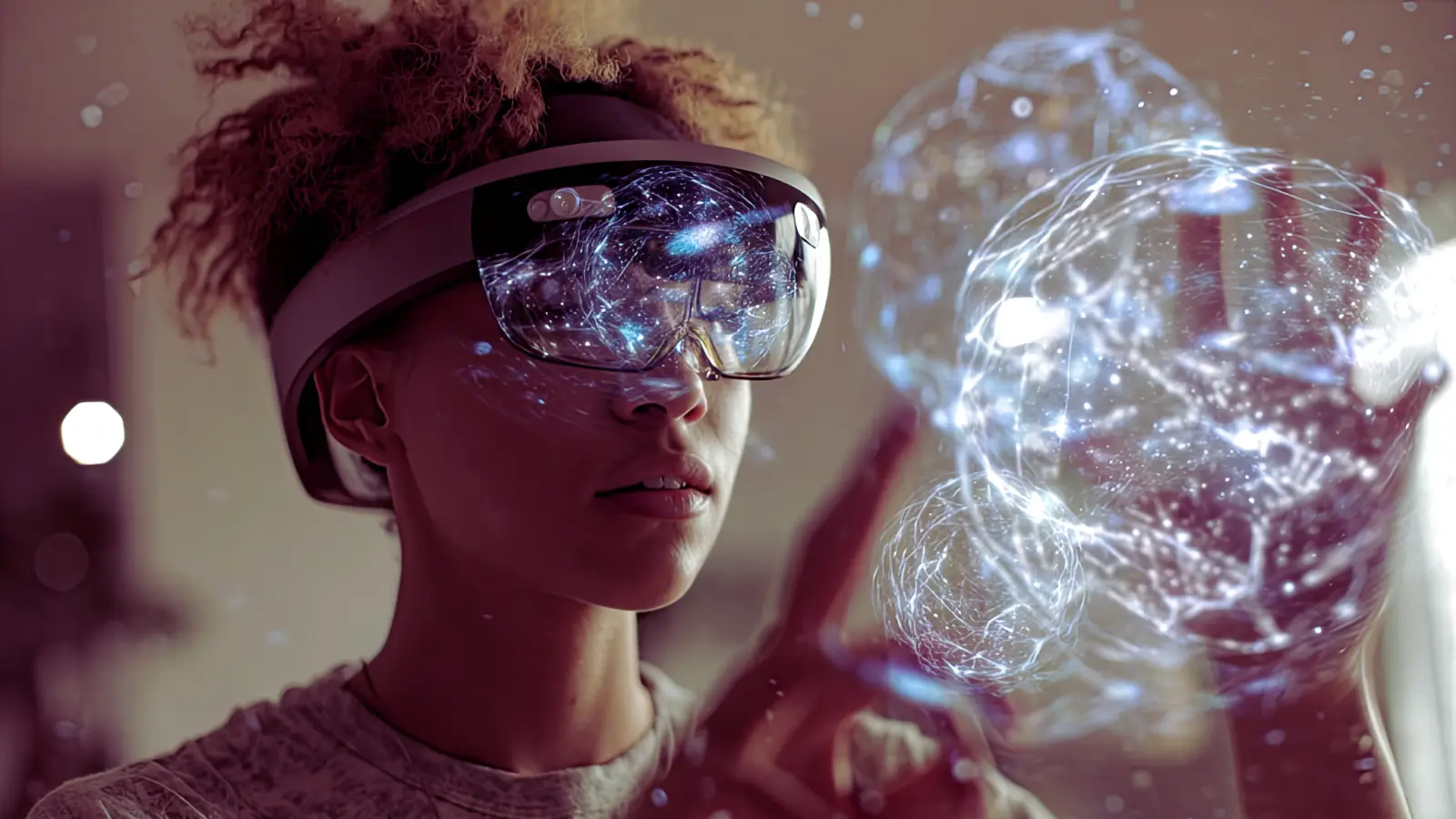
Scrolling through Instagram or TikTok, you might pause, thinking “That person looks perfect, but haven’t I seen that face before?” What you are seeing may not be a human at all. Welcome to the age of virtual influencers, AI-powered and meticulously crafted digital personas that are rewriting how brands connect with audiences. Far from a gimmick, virtual influencers are emerging as serious contenders in content strategy. In this blog, I’ll guide you through how they are built, why marketers are attracted to them, what to watch out for, and how you can deploy them smartly in your own strategies.
What Exactly Is a Virtual Influencer?
A virtual influencer (or synthetic persona) is a computer-generated character designed to act like a real influencer on social media. They are crafted using CGI, 3D modelling, motion capture, and AI for interaction and content generation. Unlike human influencers, every detail from appearance to tone to posting rhythm is under full creator control.
These personas might have backstories, personalities, even “lives” that evolve over time. Some use AI to respond to comments or generate written posts, while others are more scripted and manually managed. Virtual influencers blur the line between fiction and reality in digital marketing.
Why Brands Are Betting on Virtual Influencers
Total creative control.
Brands can fine-tune exactly how the influencer looks, speaks, and behaves. No surprises or off-message moments.
Consistent content at scale.
A digital persona can post every day, cross platforms and languages, and adapt themes without fatigue or error.
Risk mitigation.
You remove many of the reputational risks that come with human influencers. No scandals or uncontrolled statements.
Novelty and buzz.
They draw attention precisely because they exist at the intersection of technology and culture, which helps brands stand out.
Seamless metaverse and AR integration.
Virtual influencers can live in digital realms such as AR filters, VR events, or interactive experiences, where human influencers cannot.
How Virtual Influencers Get Built
Persona and identity design
Develop their backstory, values, visual identity, tone, and aesthetics so that all align with the brand’s DNA.
Graphics and animation
Use 3D modelling, motion capture, and facial rigging to make the influencer appear lifelike in images and videos.
AI and content systems
Natural language processing helps with written content, while sentiment analysis and predictive models shape responses and creative tone. Human oversight remains essential.
Platform deployment and positioning
Select social channels such as Instagram, TikTok, or YouTube, define content formats (posts, Reels, live), and plan audience engagement.
Feedback and iteration
Monitor engagement data, tweak voice, content style, visuals, and response logic. Evolve the persona to stay fresh.
Challenges and Ethical Considerations
Authenticity scepticism
Audiences may feel manipulated when they realize the influencer is not a real person. Trust can erode quickly.
Transparency and disclosure
Brands must clearly label paid content and disclose that the persona is virtual to meet ethics and regulatory norms.
Emotional depth and relatability
They may lack the nuance and lived experience that real human voices bring, which can limit deep connection.
High upfront investment and technical demands
Building lifelike visuals, responsive behaviours, and reliable systems can be costly and complex.
Cultural sensitivity
Digital personas must navigate cultural representation with care to avoid stereotyping or misappropriation.
Regulation and IP concerns
Rights around image, voice, generated content, and influencer-like behaviour may become legally fraught as laws evolve.
Use Cases and Examples
Kyra (India) — India’s first virtual influencer, created by FUTR STUDIOS, has done brand collaborations with Amazon Prime Video, boAt, and John Jacobs and has been featured on digital covers. She demonstrates how local markets are adopting this trend.
Lil Miquela — She blurred the lines between digital and human, collaborating with fashion houses, releasing music, and engaging in social issues.
Imma and Shudu — Digital models who have appeared in campaigns with luxury and fashion brands.
Brands use virtual influencers for product launches, digital storytelling, AR filter tie-ins, interactive campaigns, and global outreach strategies.
Smart Strategies to Deploy Virtual Influencers
1. Start with a hybrid approach
Use both human and virtual influencers to leverage authenticity and novelty together.
2. Align persona with brand purpose
Do not create a virtual influencer just to chase a trend. Make sure their values, style, and narrative strengthen your brand identity.
3. Emphasize transparency
Always disclose that the influencer is virtual. Build trust with your audience.
4. Use data to personalize
Leverage audience insights to refine interaction patterns, content topics, and tone over time.
5. Plan for evolution
Let the persona grow and change: adjust wardrobe, backstory, and themes to maintain interest.
6. Test in contained campaigns
Pilot with a smaller campaign before scaling. Measure engagement, sentiment, and conversions.
The Future Landscape
Expect virtual influencers to evolve into autonomous conversational personas able to respond in real time. They may become “micro-influencers” tailored to specific audience segments or even individual customers. Their presence in augmented reality, metaverse platforms, and virtual events will continue to expand.
The way we perceive influence and authenticity will likely shift. The strongest brands will balance human emotion with digital innovation.
Conclusion
Virtual influencers are not just a novelty. They are carving out a new axis in content marketing. If you approach them with clear purpose, ethical transparency, and strategic integration, they can become powerful storytellers for your brand.
If you would like help developing a virtual influencer concept we at Pintip Media would be happy to help!